
Single Post
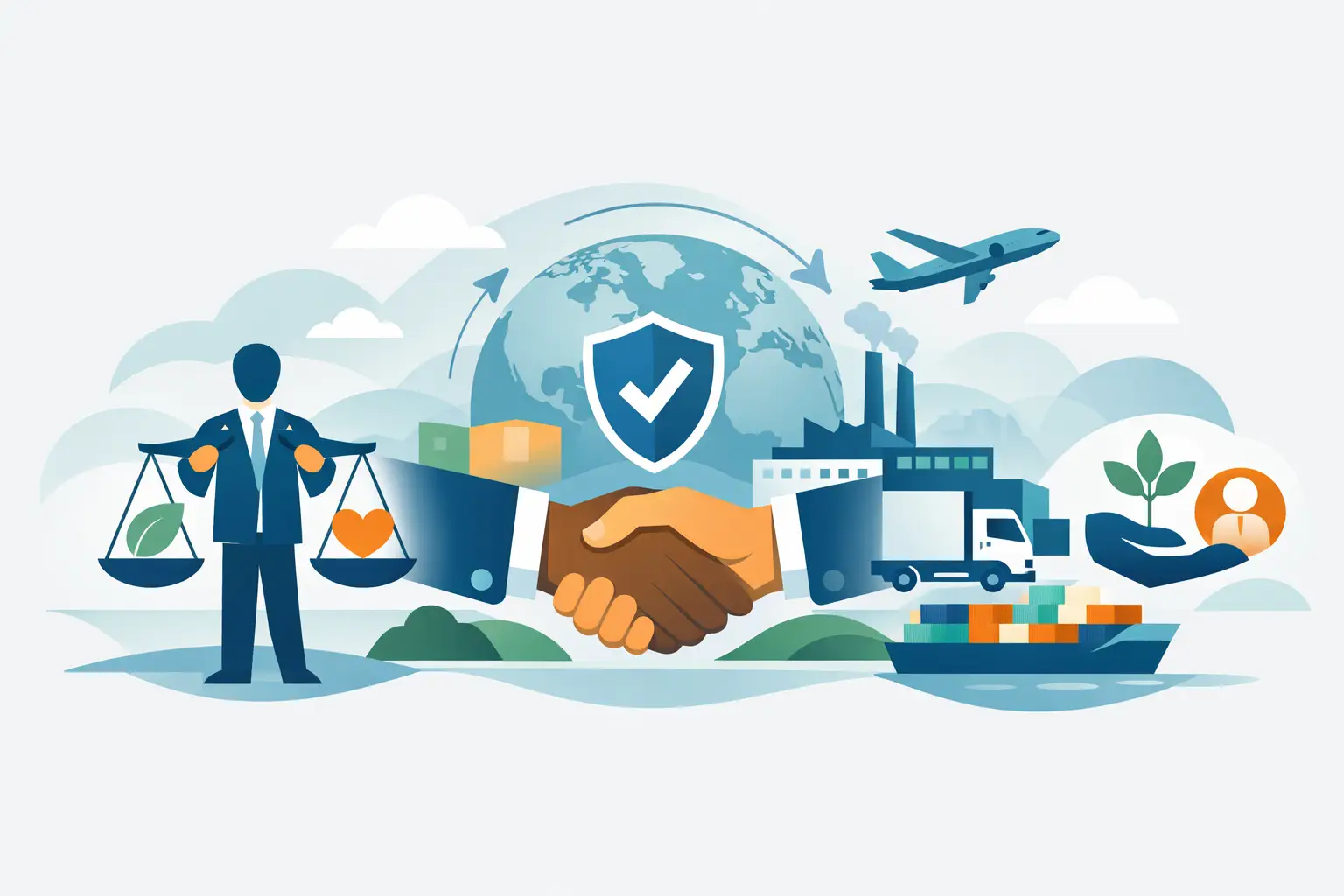
A shipment can meet every commercial specification and still create major exposure for the buyer. If the material is tied to forced labor, undocumented origin, unsafe mining practices, or false export paperwork, the problem is no longer just operational. It becomes legal, financial, and reputational. That is the real answer behind the question, what is ethics in supply chain management.
In practical terms, ethics in supply chain management means controlling how materials are sourced, handled, documented, transported, and delivered so that business performance is not separated from human rights, legal compliance, and responsible trade. For procurement teams, traders, manufacturers, and importers, this is not a soft issue. It is a sourcing discipline tied directly to continuity, audit readiness, customer confidence, and market access.
What is ethics in supply chain management?
Ethics in supply chain management is the system of standards and decisions that guides a company to buy, move, and sell goods responsibly across every stage of the supply chain. That includes labor conditions, environmental practices, anti-corruption controls, supplier conduct, traceability, product integrity, and accurate documentation.
For industrial and mineral supply chains, ethics is not limited to a code of conduct filed away in procurement policy. It shows up in real controls: supplier verification, mine-site due diligence, chain-of-custody records, export compliance, screening against restricted parties, and checks that the material being sold is the material that was actually sourced. Ethical supply chain management is the point where responsibility and execution meet.
That matters because supply chains are layered. A buyer may contract with an exporter, while the exporter works through aggregators, processors, transport operators, customs agents, and upstream producers. Each handoff introduces risk. If no one verifies the chain, the buyer is relying on assumptions rather than evidence.
Why ethics matters in high-risk supply markets
In sectors such as mining, metals, battery materials, and gemstones, ethical failures can interrupt business just as quickly as a logistics delay. A supplier with weak labor controls may trigger customer rejection. Missing origin documentation may stall customs clearance. A corruption issue in licensing or transport can expose multiple parties across the transaction chain.
This is why sophisticated buyers now evaluate more than price, grade, and delivery schedule. They want visibility into origin, handling, documentation, and supplier conduct. In high-risk sourcing regions, ethical oversight is often the difference between a shipment that clears smoothly and one that creates escalation with legal, compliance, or investor teams.
There is also a market reality behind this shift. Downstream manufacturers are under pressure from regulators, customers, and shareholders to show where materials come from and how they were produced. If a smelter, battery producer, or industrial manufacturer cannot defend the source of a critical input, the commercial cost can be significant.
The core elements of ethical supply chain management
The first element is traceability. A company should be able to show where material originated, who handled it, how it moved, and whether the records remain consistent from source to export. Traceability does not always mean perfect visibility down to every individual transaction, but it does require evidence strong enough to support buyer review and compliance checks.
The second is labor and human rights protection. This includes screening for forced labor, child labor, unsafe working conditions, wage abuse, and coercive practices. In mineral sourcing, this area requires serious attention because upstream operations can vary widely in formality, oversight, and working conditions.
The third is legal and regulatory compliance. Ethical practice is broader than the law, but legal compliance is the baseline. Export permits, customs declarations, tax documentation, sanctions screening, and product declarations all need to be accurate. If the paperwork is false or incomplete, the supply chain cannot be considered ethical, even if the commercial delivery is successful.
The fourth is anti-corruption control. Bribery, facilitation payments, falsified inspections, and manipulated weights or grades can quietly distort the entire transaction. Ethical supply chains require procedures that reduce these exposures through verification, segregation of duties, document review, and accountable counterparties.
The fifth is environmental responsibility. For some buyers, this means emissions and processing impact. For others, it includes land use, waste handling, water management, and site rehabilitation. The right standard depends on the product, jurisdiction, and end market, but environmental negligence increasingly affects buyer qualification.
What ethics looks like in mineral and metals trade
In mineral exports, ethical supply chain management is highly operational. It starts before shipment. A responsible supplier verifies the source, assesses counterparties, reviews production and ownership records, checks material consistency, and confirms that export documentation matches the goods.
It continues during processing and logistics. Material should be handled in a way that preserves identification and minimizes substitution risk. Weights, grades, and packaging should be verified. Transport records should align with warehouse and export records. If custody changes, that handoff should be documented, not assumed.
It also extends to communication with the buyer. Ethical trade means presenting realistic timelines, accurate product specifications, and truthful compliance status. A supplier that overstates capacity or implies certifications it does not hold creates ethical risk even before the cargo moves.
For companies like HH Strategic Metals, ethical sourcing is not separate from commercial performance. Verified supply, traceability, export compliance, and logistics control are the mechanisms that make responsible trade workable at scale.
The business case goes beyond reputation
Some still treat ethics as a branding exercise. In practice, the stronger case is risk control. Ethical supply chain management helps reduce shipment disputes, customs issues, supplier fraud, quality substitution, and downstream customer rejection. It also improves consistency in procurement decisions because suppliers are evaluated against standards that matter beyond short-term price.
There are trade-offs, of course. More verification can mean longer onboarding. Tighter supplier standards can reduce the number of available counterparties. Documentation demands can increase administrative cost. But in strategic minerals and cross-border trade, those costs are often lower than the cost of remediation after a failed audit, delayed shipment, or disputed origin.
It also depends on the buyer’s market position. A company buying spot volumes for opportunistic trade may tolerate more sourcing variability than a manufacturer supplying regulated end markets. Even then, the direction is clear: as customer scrutiny rises, ethical discipline becomes a commercial requirement rather than a preference.
How buyers should evaluate ethical supply chain management
A credible supplier should be able to explain its sourcing controls in specific terms. General claims about responsibility are not enough. Buyers should look for evidence of supplier vetting, origin verification, documentation control, chain-of-custody discipline, and clear export procedures.
It is also worth testing consistency. Do the material specs align with origin claims? Do shipping documents, licenses, and invoices match the cargo details? Can the supplier explain how it manages upstream risk in regions where informal mining, fragmented transport, or documentation gaps are common? Serious partners welcome these questions because they know procurement teams are protecting both production and compliance.
Another useful test is response under pressure. Ethical control is easy to promise when markets are stable. The stronger signal is whether a supplier maintains standards during shortages, price spikes, or urgent shipment requests. If documentation suddenly becomes flexible when demand rises, the ethics framework is weak.
Common misconceptions about what is ethics in supply chain management
One misconception is that ethics only applies to consumer brands. In reality, industrial supply chains are under equal pressure because they feed regulated sectors such as energy, electronics, automotive, and manufacturing.
Another is that ethics is solved by adding contract language. Contracts matter, but they do not replace verification. A supplier declaration is useful only when supported by records, controls, and actual oversight.
A third misconception is that ethical sourcing means avoiding complex regions altogether. That is not always realistic or commercially wise. In many cases, the better approach is disciplined engagement with strong local knowledge, documented controls, and transparent execution. Responsible sourcing is often about managing risk properly, not pretending risk does not exist.
What strong ethical supply chains will require next
The standard is moving from broad statements to evidence-based control. Buyers increasingly want documented origin, clearer chain-of-custody practices, stronger sanctions and anti-corruption screening, and better alignment between sourcing claims and shipment records. That is especially true for cobalt, coltan, cassiterite, gold, copper, and other materials linked to strategic manufacturing and energy transition demand.
Suppliers that can meet this standard will be better positioned to support long-term contracts, repeat orders, and more demanding customer reviews. Those that cannot will find price alone is no longer enough to secure confidence.
For procurement leaders, the practical question is not whether ethics belongs in supply chain management. It is whether your supply base can prove its standards when the transaction is tested. In international mineral trade, the most reliable supply chain is usually the one that can be verified at every critical point.