
Single Post
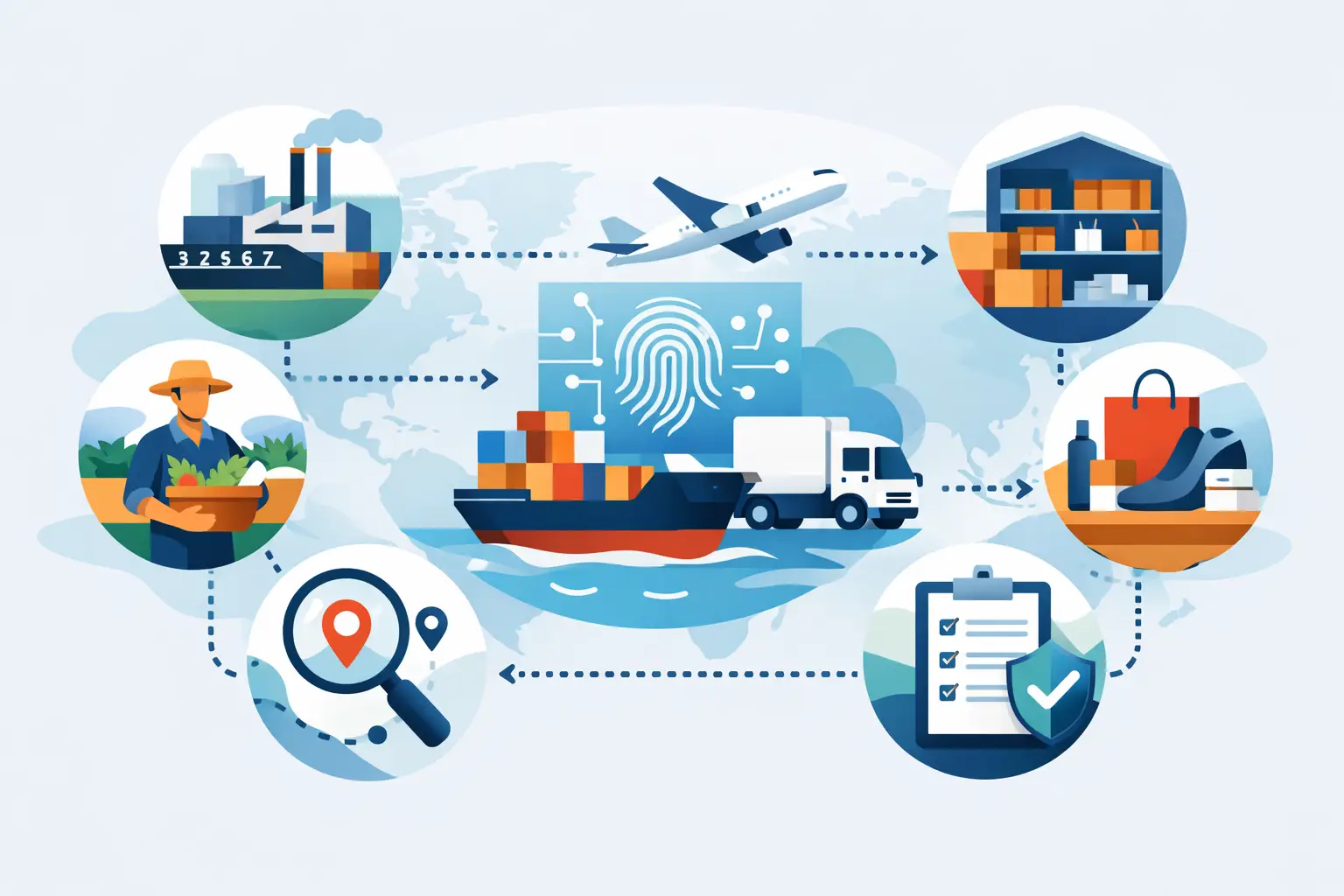
A shipment can look fully documented on paper and still leave a buyer exposed. The gap usually appears between declared origin and verified chain of custody. That is why supply chain traceability examples matter to procurement teams buying minerals, metals, gemstones, and other high-risk materials. Real traceability is not a label. It is a working control system that connects source, handling, transport, compliance, and final delivery.
For international buyers, traceability has moved beyond a corporate responsibility talking point. It now affects customs clearance, ESG reporting, customer audits, financing, and production planning. In mineral markets especially, where supply can pass through multiple intermediaries before export, the quality of traceability often determines the quality of the transaction.
What supply chain traceability actually looks like
In practice, traceability means being able to verify where material originated, who handled it, what processing took place, and which documents support every stage. The standard is not the same in every industry. A food importer may focus on batch-level recall speed, while a battery materials buyer may care more about mine-level origin, due diligence, and export compliance.
That difference matters. Many companies claim traceability when they really mean shipment visibility. Visibility tells you where cargo is now. Traceability tells you what it is, where it came from, and whether the chain of custody holds up under review.
7 supply chain traceability examples buyers should study
1. Cobalt traceability from mine site to battery supply chain
Cobalt is one of the clearest examples because the risk profile is high and buyer scrutiny is constant. A credible traceability system starts at the mine or authorized aggregation point, where volumes, dates, source details, and seller identity are recorded. Material is then tagged to a lot number that follows it through transport, storage, export preparation, and shipment.
For downstream buyers, the strongest systems add independent checks such as site verification, transport logs, weighbridge records, assay matching, and export document reconciliation. If any of those records break, the chain becomes harder to defend.
The trade-off is cost and speed. Tight mine-to-export controls reduce sourcing risk, but they also require stronger field teams, disciplined documentation, and fewer informal handoffs. For battery and industrial buyers, that trade is usually worth making.
2. Gold traceability in conflict-sensitive sourcing regions
Gold shows why traceability gets harder when material is high value, easily mixed, and frequently traded through small channels. In better-controlled systems, each lot is registered early, seller identity is verified, and transfers are documented before refining or export. Weight and purity data should align from purchase to final declaration.
Where buyers get into trouble is relying only on trader statements or final export paperwork. Once gold has been mixed or refined without clear upstream records, reconstructing origin becomes difficult. That creates exposure not just for compliance teams but also for refiners and end users facing customer audits.
This example is useful because it shows a basic truth – traceability has to start before material becomes commercially convenient. If it starts only at export, it is often too late.
3. Cassiterite and coltan traceability through controlled trading channels
Tin-bearing cassiterite and tantalum-bearing coltan are strong mineral-sector examples because buyers often require documented origin, chain-of-custody records, and export compliance before committing to volume purchases. In a controlled traceability setup, ore is logged at the source, consolidated through approved channels, and matched to transport and processing records.
The operational detail matters here. Lot separation, tamper-resistant tagging, warehouse controls, and documented handovers make the difference between traceable inventory and inventory that is simply claimed to be traceable. For international buyers, the benefit is not just ethical assurance. It is the ability to validate supply continuity and avoid delays caused by document inconsistencies at the export stage.
This is where a trade-focused partner adds value. HH Strategic Metals, for example, operates in a market where buyers expect verified sourcing, export-ready documentation, and shipment oversight rather than generic supplier promises.
4. Food traceability for fast recalls and retailer compliance
Food traceability is often cited because the commercial impact is immediate. If contamination is suspected, a distributor needs to identify the affected lot quickly, isolate inventory, and confirm which customers received it. That process depends on batch coding, supplier records, production logs, and shipping data all matching cleanly.
The lesson for mineral and commodity buyers is straightforward. Traceability is not only about origin risk. It is also about response speed when something goes wrong. A supplier that can identify a problematic lot within hours is operating at a different standard from one that needs days to reconstruct movements from emails and spreadsheets.
Retail and food buyers have pushed this discipline hard because the recall cost is visible. In industrial raw materials, the same principle applies, even if the incident is a specification dispute, a customs challenge, or a due diligence review.
5. Pharmaceutical traceability with serialization and regulatory control
Pharmaceutical supply chains use some of the most structured traceability methods in global trade. Individual packages or cases are serialized, movements are recorded, and verification is built into distribution. The goal is to prevent counterfeiting, ensure patient safety, and meet strict legal requirements.
Most mineral exporters will not need unit-level serialization, but the underlying model is relevant. Good traceability combines physical controls, digital records, and regulatory alignment. If one of those three is missing, the system weakens.
For B2B buyers, this example highlights another point. Traceability should be designed around risk. High-value, high-regulation, and high-scrutiny products need deeper controls than low-risk commodities moving through short domestic chains.
6. Apparel traceability from raw fiber to finished product
Apparel traceability has developed quickly because brands now face pressure to verify labor conditions, material origin, and environmental claims. A garment company may need to connect cotton, spinning, weaving, dyeing, cutting, and final assembly across several countries.
That sounds far removed from mineral exports, but the challenge is similar: multiple handoffs create multiple opportunities for record failure. The more fragmented the supply chain, the more discipline is needed around supplier onboarding, transaction records, and material segregation.
This example also shows the limits of technology-only solutions. Digital platforms can help, but if suppliers enter weak or inaccurate data, the output still cannot be trusted. Good traceability depends first on operational control, then on software.
7. Seafood traceability to verify legal catch and chain of custody
Seafood is a strong example because legality, sustainability, and cold-chain handling all affect buyer risk. Importers increasingly want to know where and when fish was caught, which vessel handled it, how it was processed, and whether custody remained documented through export.
The parallel for strategic minerals is clear. Buyers are not only purchasing material. They are purchasing the legitimacy of the supply path. If origin claims, transfer points, or processing steps cannot be validated, the product may still arrive, but the commercial risk remains with the buyer.
Seafood has taught many procurement teams that traceability is best treated as a market access requirement, not a branding exercise.
What these supply chain traceability examples have in common
Across industries, the strongest systems share a few traits. They start early, usually at the first controlled point of purchase or production. They maintain lot integrity as material moves. They document each transfer rather than relying on end-stage declarations. And they align records across operations, compliance, and logistics.
The weaker systems tend to look polished from the outside but depend too heavily on self-reporting. They may have dashboards, shipment updates, and scanned documents, yet still lack defensible proof of origin or uninterrupted chain of custody.
For buyers sourcing from complex regions, that distinction matters. A traceable supply chain is not one that produces more paperwork. It is one that reduces uncertainty in a way procurement, legal, and operations teams can actually use.
How buyers should evaluate traceability claims
When reviewing a supplier, ask where traceability begins, how lots are identified, and what evidence supports each transfer. Ask whether material is kept segregated, how export records are reconciled, and what happens when there is a discrepancy. The answers should be operational, not promotional.
It also helps to test traceability against a real scenario. If a buyer asks for proof of origin on a specific lot shipped three months ago, can the supplier produce source data, handling records, assay information, and shipment documents quickly? If not, the traceability system may be more theoretical than practical.
Technology can improve speed and reporting, but it does not replace disciplined sourcing controls. In strategic minerals, especially from jurisdictions where buyer scrutiny is high, reliable traceability comes from verified relationships, documentation standards, and execution at every handoff.
The most useful lesson from these examples is simple. Traceability works when it is built into the transaction from the start, not added later to make the transaction easier to sell.